QUINTON BIDIOS
(Ngai Te Rangi, Ngāti Tapu and Ngati- Ranginui Pirirakau)
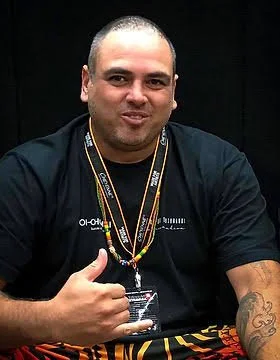
Que is an established Māori visual artist, carver, and cultural leader based in Tauranga Moana. As a senior lecturer in creative arts at Toi Ohomai and chairman of Waikari Marae, Bidois grounds his practice in both traditional custom (tikanga) and contemporary innovation. His work—ranging from intricate carving and community-led waka projects to large-scale public installations—explores the enduring connection between lineage (whakapapa), identity, and the natural landscape of the Bay of Plenty.
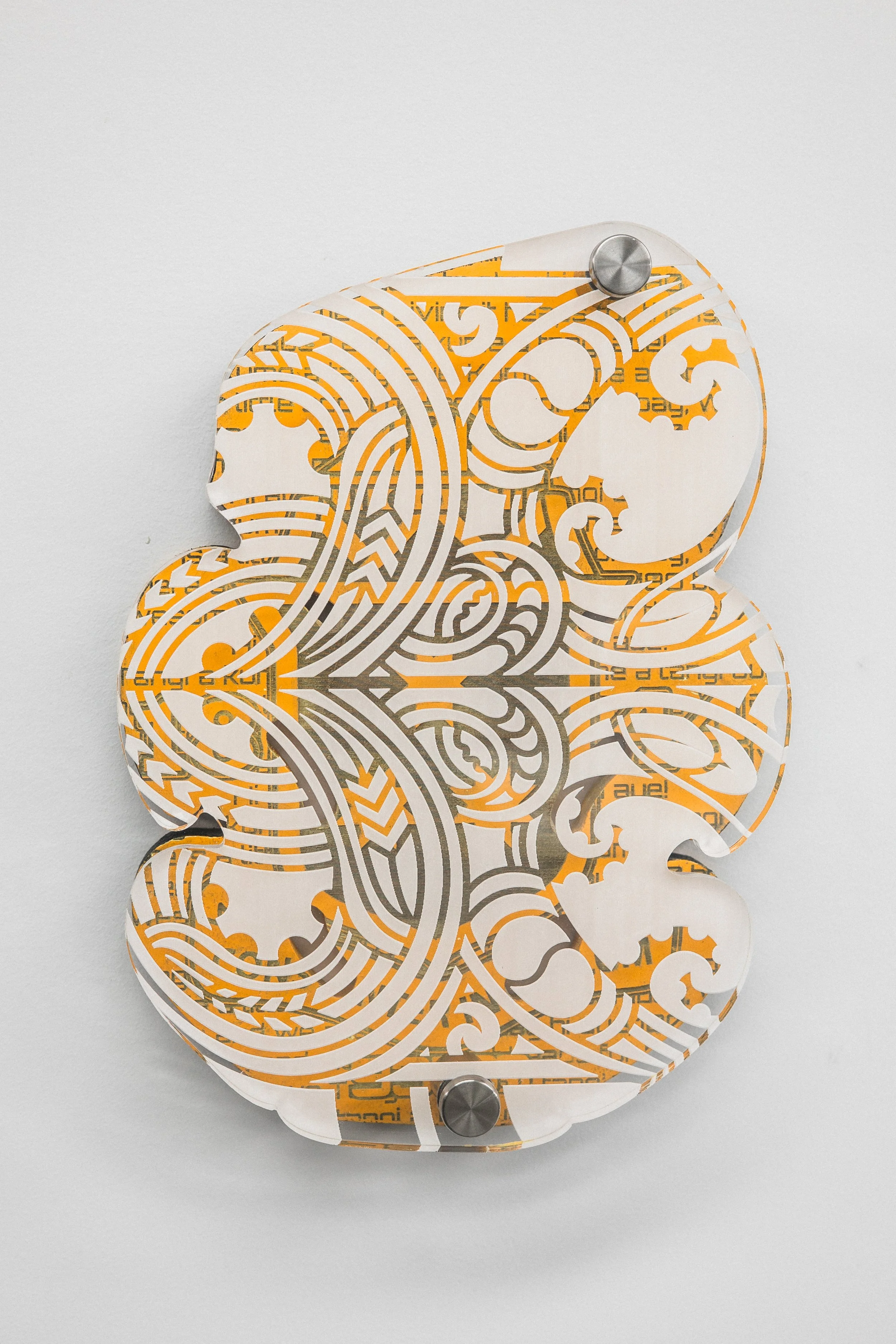
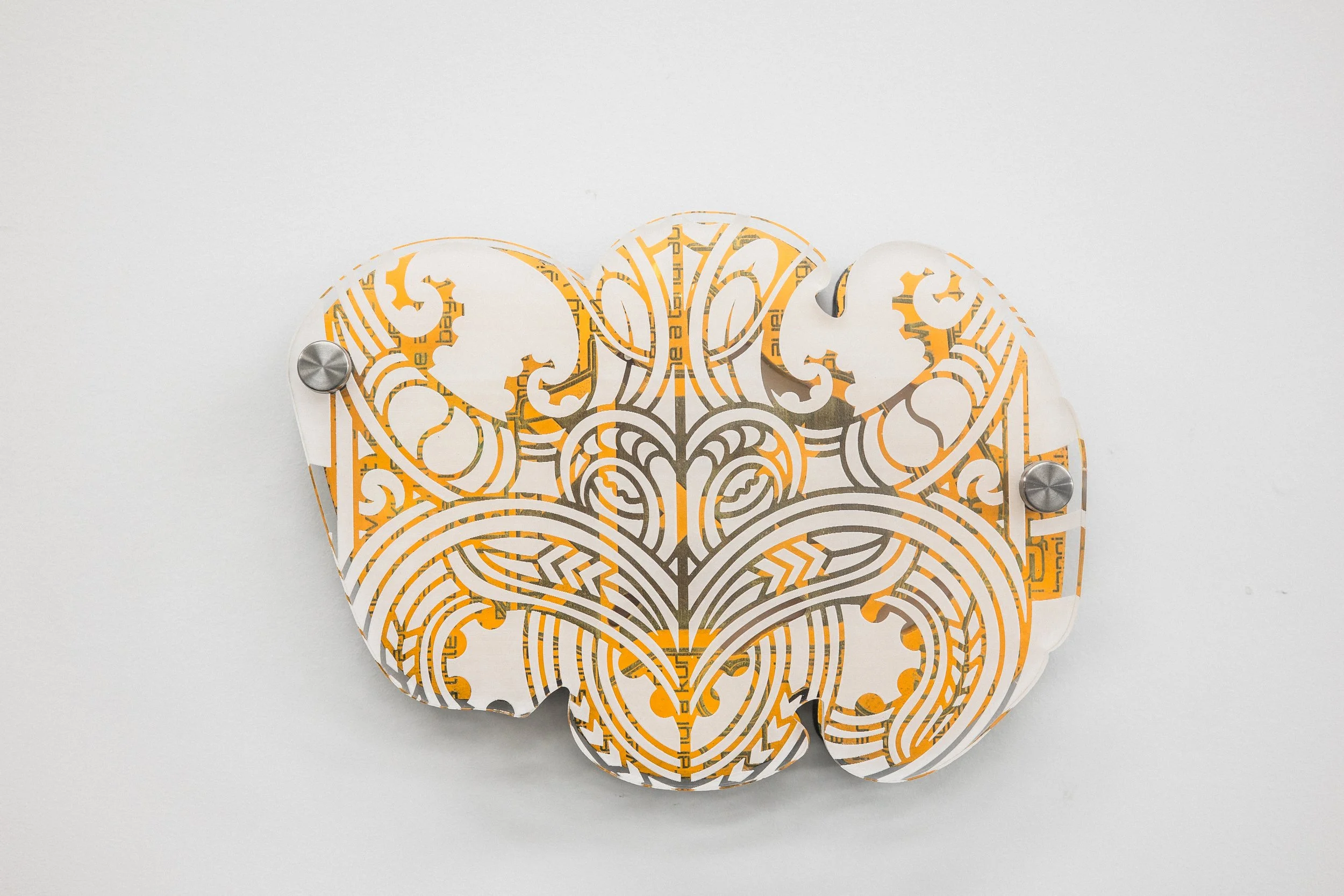
Tai-Timu Tai-Pari Kaupapa matua
This work speaks to the relationship between the past and present of TIPENE. The figure represented through the facets and planes of the form symbolises the taitama tane of the kura today. The fragmented surfaces reflect the diversity, individuality, and many perspectives that make up the collective identity of the students. Each facet stands as a reminder that every learner carries their own story, experiences, and aspirations, yet together they form a unified kura.
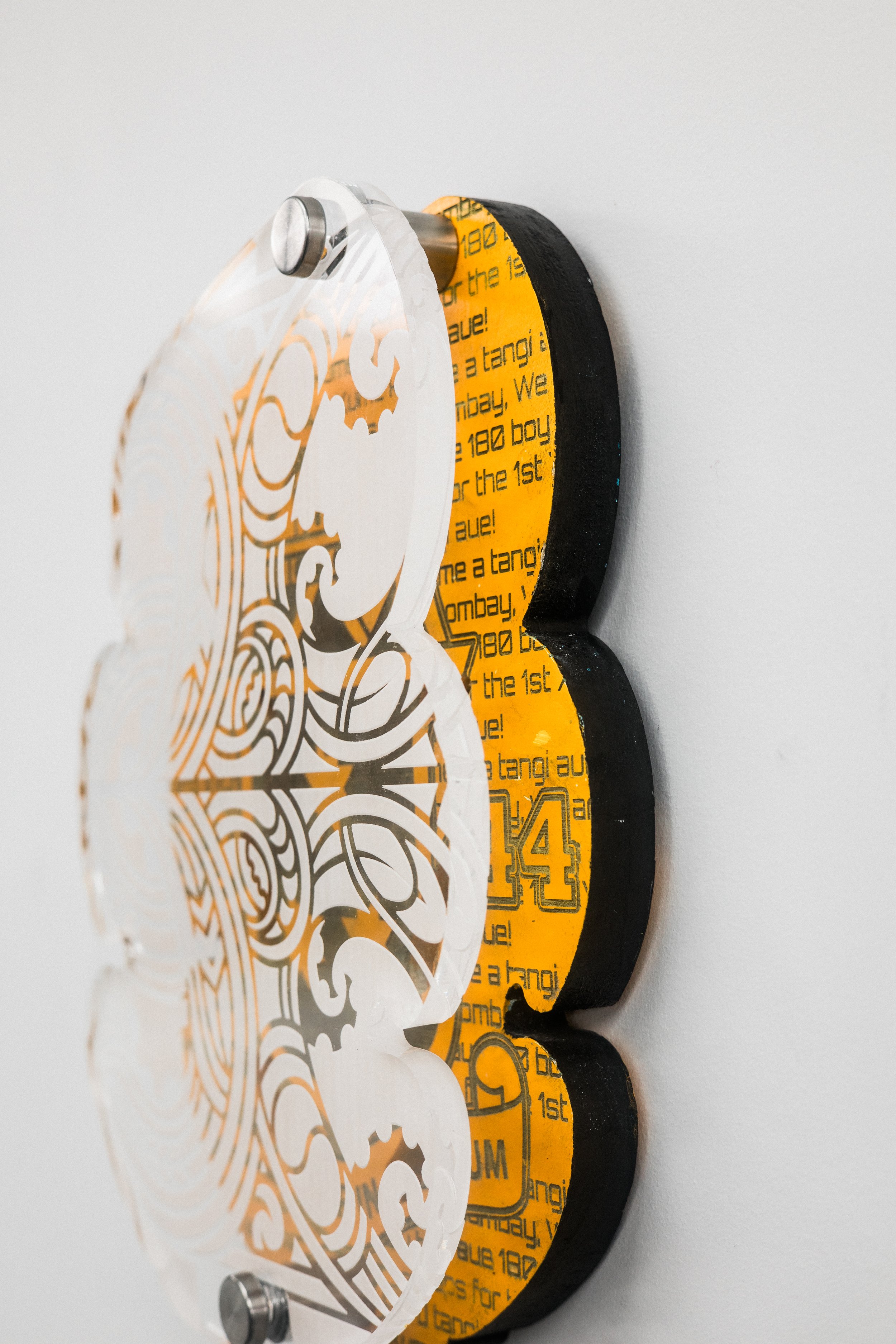
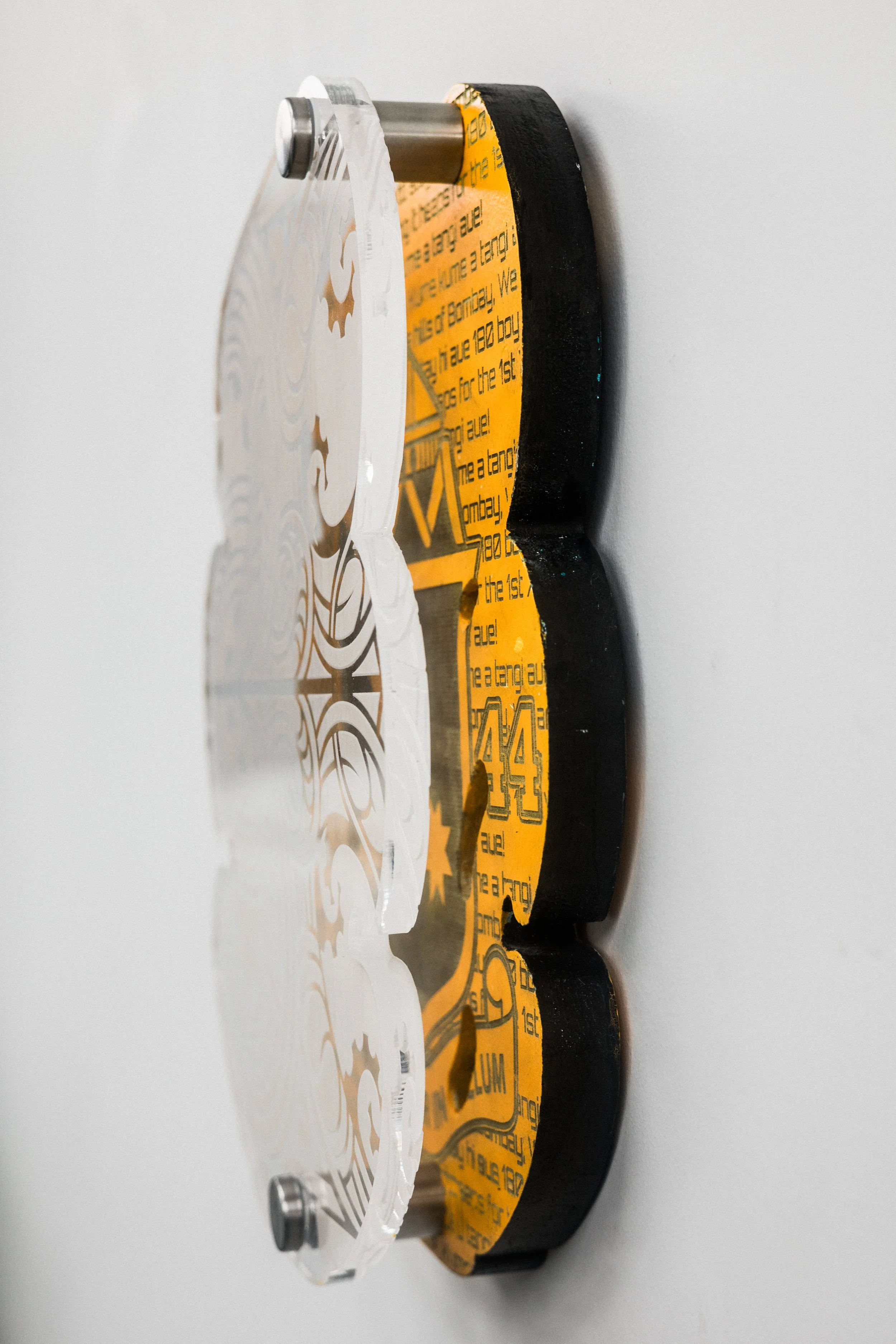
Alongside this sits the tiki behind the perspex, representing the TIPENE of old. It acknowledges those who came before, the foundations laid by previous generations, and the enduring legacy that continues to shape the kura. While the tamariki and the tiki are presented as separate forms, they are ultimately one and the same. The future cannot exist without the past, and the past finds its continuation through the generations that follow.
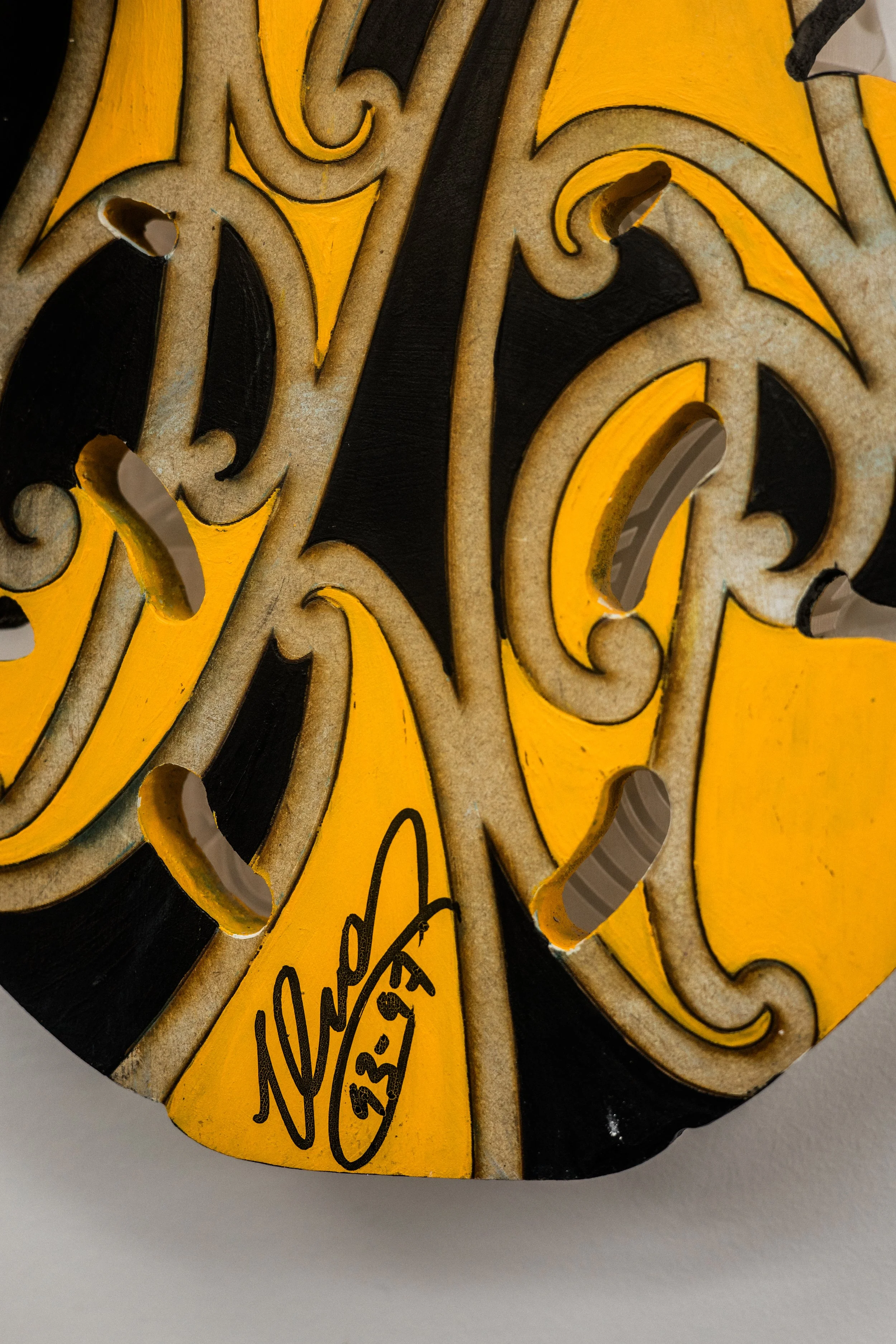
On the reverse of the work, the pūhoro pattern symbolises movement, progress, and journey. It references the historic movement of the kura, the challenges faced, and the paths travelled over time. The flowing forms speak to the ebb and flow of life, echoing the tides that shape our coastline and our stories.
Embedded within this narrative is the whakaaro that although the kura may have once gone out with the tide, it has now returned with the tide. This return is not simply a physical one but a spiritual and cultural resurgence. It speaks to renewal, resilience, and the continued strength of the kura and its people. Like the tide itself, there is an enduring rhythm of departure and return, carrying forward the hopes, knowledge, and aspirations of those who have come before into the hands of the next generation.
Ko te kura o nehe, ko te kura o nāianei, ko te kura o āpōpō. He kotahi tonu te kaupapa, he kotahi tonu te wairua.
The kura of the past, the kura of today, and the kura of tomorrow remain connected through one purpose and one spirit.